
 EN
EN
 AR
AR
 BG
BG
 HR
HR
 CS
CS
 DA
DA
 NL
NL
 FI
FI
 FR
FR
 DE
DE
 EL
EL
 IT
IT
 JA
JA
 KO
KO
 NO
NO
 PL
PL
 PT
PT
 RO
RO
 RU
RU
 ES
ES
 SV
SV
 IW
IW
 ID
ID
 SR
SR
 SK
SK
 UK
UK
 VI
VI
 HU
HU
 TH
TH
 TR
TR
 FA
FA
 MS
MS
 GA
GA
 IS
IS
 MK
MK
 HY
HY
 AZ
AZ
 LA
LA
 KK
KK
 SQ
SQ

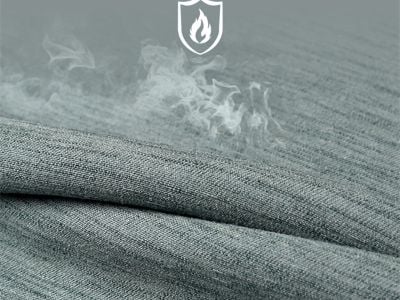
When it comes to high-rise buildings, ensuring fire safety is paramount, and using fire-proof fabric that meets BS476 Class 1 standards is non-negotiable. This fabric is specifically designed to resist ignition and minimize fire spread, which is critical in protecting lives and property in vertical structures. Buyers in the construction and manufacturing sectors often have concerns about compliance, material performance, and the overall safety of the projects they undertake. This article will guide you through the essential aspects of selecting BS476 Class 1 fire retardant curtain fabric, including key specifications, quality evaluations, installation guidance, and the benefits of using this critical material in high-rise buildings.
How to Choose Fire Proof Fabric for High-Rise Building Projects?
Selecting the right fire-proof fabric for high-rise building projects involves several considerations. Firstly, ensure that the fabric complies with the BS476 Class 1 standard, which guarantees its non-combustibility. Evaluate the intended application, as different areas of the building may have varying fire resistance requirements. For instance, fire retardant curtain material used in wall coverings will face different exposure conditions than those used in window treatments or decorative elements.
Additionally, consider the fabric's weight and thickness. Heavier curtain fabrics may offer better fire resistance but could also impact installation and handling. It's also essential to think about the fabric's aesthetics, as it should align with the building's design. Lastly, ensure that your supplier can provide documentation verifying compliance with fire safety regulations, and request samples to assess the fabric's performance and suitability for your specific application.
Key Specifications of BS476 Class 1 Fire Proof Fabric You Need to Know
When evaluating BS476 Class 1 fire-proof fabric, several key specifications should be considered. The primary focus should be on the fabric's flame spread index, which indicates how quickly a flame can spread across the material. A lower index is preferable, as it signifies better fire resistance. Additionally, check the material composition; fabrics made from polyester yarns, such as those produced by Qiansifang (Suzhou) Industry Co., Ltd., often combine durability with fire-resistant properties.
Another critical specification is the fabric's weight, typically measured in grams per square meter (gsm). Heavier fabrics generally provide enhanced fire resistance but may require specific handling and installation techniques. Finally, the construction method of the fabric also plays a role in its performance under fire conditions; tighter weaves or specialized coatings can significantly improve fire resistance.
Evaluating the Quality of Fire Proof Fabric for Bulk Orders
When purchasing fire-proof fabric in bulk, quality evaluation is crucial. Begin by assessing the supplier's certifications, such as ISO9001 and OEKO-TEX Standard 100, which indicate adherence to quality management and safety standards. It's important to request samples of the fabric before placing a large order. These samples should be tested for flame resistance, durability, and colorfastness under actual operating conditions.
It's also wise to inquire about the manufacturer's production capabilities. A supplier with a high production capacity, like Qiansifang’s 30,000 tons/year for functional polyester yarns, can ensure consistent quality across bulk orders. Establish clear communication regarding your quality expectations, and consider implementing a quality control process for inspections upon delivery to mitigate risks associated with bulk purchases.
Installation Guidance for BS476 Class 1 Fire Proof Fabric in Construction
Proper installation of BS476 Class 1 fire-proof fabric is key to ensuring its effectiveness. Before installation, confirm that the surfaces are clean, dry, and appropriately prepared to maximize adhesion. Depending on the application, installation methods may vary; for example, wall coverings may require adhesive, while curtains may rely on grommets or hooks.
Make sure to follow the manufacturer's recommendations for handling and cutting the fabric, as improper techniques can compromise its fire-resistant properties. Additionally, ensure that all seams and edges are securely finished to prevent fraying, which could adversely affect performance. Training installation teams on the specific requirements related to fire-proof fabrics can further enhance compliance and safety.
Benefits of Using BS476 Class 1 Fire Proof Fabric in High-Rise Buildings
The advantages of using BS476 Class 1 fire-proof fabric in high-rise buildings extend beyond compliance with safety regulations. One of the primary benefits is enhanced occupant safety; by reducing the risk of fire spread, these fabrics contribute to safer environments for residents and workers. Furthermore, they can potentially lower insurance premiums, as buildings equipped with fire-resistant materials may be viewed as lower risk by insurers.
Additionally, fire-proof fabrics can enhance the aesthetic appeal of a building while providing essential protective features. They are available in various colors and designs, allowing for flexibility in interior design without sacrificing safety. Moreover, selecting high-quality fire-proof fabric can lead to long-term cost savings, as they are often more durable and require less frequent replacement or maintenance compared to non-fire-resistant alternatives.
By understanding the critical aspects of selecting and utilizing BS476 Class 1 fire-proof fabric, buyers can make informed decisions that prioritize safety, compliance, and aesthetic considerations in high-rise building projects.
Table of Contents
- How to Choose Fire Proof Fabric for High-Rise Building Projects?
- Key Specifications of BS476 Class 1 Fire Proof Fabric You Need to Know
- Evaluating the Quality of Fire Proof Fabric for Bulk Orders
- Installation Guidance for BS476 Class 1 Fire Proof Fabric in Construction
- Benefits of Using BS476 Class 1 Fire Proof Fabric in High-Rise Buildings