
 EN
EN
 AR
AR
 BG
BG
 HR
HR
 CS
CS
 DA
DA
 NL
NL
 FI
FI
 FR
FR
 DE
DE
 EL
EL
 IT
IT
 JA
JA
 KO
KO
 NO
NO
 PL
PL
 PT
PT
 RO
RO
 RU
RU
 ES
ES
 SV
SV
 IW
IW
 ID
ID
 SR
SR
 SK
SK
 UK
UK
 VI
VI
 HU
HU
 TH
TH
 TR
TR
 FA
FA
 MS
MS
 GA
GA
 IS
IS
 MK
MK
 HY
HY
 AZ
AZ
 LA
LA
 KK
KK
 SQ
SQ

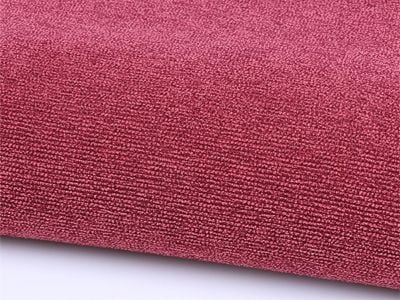
Blackout curtain fabrics play a crucial role in both aesthetic and functional applications across various industries. The choice between IFR (Inherently Flame Retardant) and NFR (Non-Flame Retardant) blackout fabrics can significantly impact safety, performance, and compliance with regulations. As a B2B buyer, understanding the critical differences between these options is essential for making an informed purchasing decision. This article will guide you through the key considerations, specifications, quality evaluation, installation guidance, and application scenarios for IFR and NFR blackout curtain fabrics.
What to Consider When Choosing IFR vs. NFR Blackout Curtain Fabric
When selecting between IFR and NFR blackout fabrics, several factors come into play, including safety regulations, application needs, and environmental impacts. IFR fabrics are especially important in settings where fire safety is paramount, such as in hotels, theaters, and public buildings. They are designed to resist ignition and slow the spread of flames, thereby meeting stringent safety standards.
In contrast, NFR fabrics may be suitable for less critical applications where fire safety is less of a concern. However, they still provide effective light blocking and insulation properties. Buyers should also consider the environmental impact, as IFR fabrics often utilize advanced manufacturing techniques that contribute to sustainability, aligning with certifications such as the Global Recycled Standard (GRS) held by manufacturers like Qiansifang (Suzhou) Industry Co., Ltd.
Ultimately, the choice between IFR and NFR fabrics should be driven by the specific application, safety requirements, and compliance standards relevant to the installation environment.
Key Specifications for IFR and NFR Blackout Curtain Fabrics
Understanding the specifications of IFR and NFR blackout fabrics is essential for making an informed choice. Key specifications include:
Thickness: The thickness of the fabric influences its light-blocking capability and insulation properties. A thicker curtain material typically offers better performance in both areas.
Weight: Heavier fabrics tend to provide better sound insulation and durability, which can be critical in commercial applications.
Composition: IFR fabrics are often made from inherently flame-retardant materials, while NFR fabrics may require additional treatments to achieve similar properties. Knowing the material composition can help assess durability, maintenance, and overall performance.
Color fastness and washability: Fabrics should maintain their color and integrity after multiple washes, especially in commercial settings where hygiene is crucial.
Fire rating: Make sure to verify the fire rating of both types of fabric. IFR fabrics typically meet higher safety standards than NFR counterparts.
Buyers should ensure that the specifications align with their intended use and regulatory requirements.
How to Evaluate the Quality of Blackout Curtain Fabrics?
Evaluating the quality of blackout curtain fabrics involves several critical steps:
Sample Testing: Before mass production, request samples to assess the fabric's performance under actual operating conditions. This helps confirm light-blocking capabilities, fabric integrity, and color retention.
Certification Verification: Check for relevant certifications, such as OEKO-TEX Standard 100, which ensures that the fabric is free from harmful substances. Certifications from recognized bodies indicate adherence to safety and environmental standards.
Quality Control Processes: Understand the manufacturer’s quality control measures. A reputable supplier should have rigorous testing protocols in place to ensure consistent fabric quality across all batches.
Feedback from Previous Clients: If possible, obtain references or testimonials from other buyers who have used the fabrics in similar applications. Their experiences can provide valuable insights into long-term performance and reliability.
By diligently evaluating these factors, buyers can ensure they select high-quality blackout material for curtains suited to their specific needs.
Installation Guidance for IFR and NFR Blackout Curtain Fabrics
Proper installation is crucial for maximizing the performance of blackout curtain fabrics. Here are key considerations:
Mounting Method: Depending on the type of rod or track system used, the installation process may vary. Ensure the mounting hardware is compatible with the fabric's weight and thickness.
Measurement Accuracy: Precise measurements are essential to ensure a proper fit. Curtains that are too short or too wide may compromise their light-blocking capabilities. Measure the width and height accurately, allowing for any desired overhang.
Hemming and Finishing: Reinforcing edges with appropriate stitching or finishing treatments can enhance durability and prevent fraying, especially in high-traffic areas.
Layering Options: In some applications, layering IFR or NFR fabrics with additional window treatments can provide enhanced insulation and light control. Consider the combination that best suits the intended environment.
Following these guidelines will help ensure that the blackout curtains perform as intended, enhancing both functionality and aesthetics.
Application Scenarios for IFR and NFR Blackout Curtain Fabrics
The application scenarios for IFR and NFR blackout curtain fabrics vary widely based on their properties:
IFR Blackout Fabrics: Ideal for commercial spaces such as hotels, theaters, and hospitals where fire safety is critical. These fabrics can also be beneficial in residential applications where safety is a priority. They are often used in spaces requiring total darkness, such as media rooms and conference areas.
NFR Blackout Fabrics: Suitable for less regulated environments, such as residential settings, offices, and temporary installations. They can effectively block light and enhance privacy while being cost-effective.
Understanding the specific application requirements will guide buyers in selecting the most suitable fabric type, ensuring compliance with safety standards and performance expectations.
By considering these factors, buyers can make informed decisions when choosing between IFR and NFR blackout curtain fabrics, ensuring that their selections meet both functional and regulatory requirements.
Table of Contents
- What to Consider When Choosing IFR vs. NFR Blackout Curtain Fabric
- Key Specifications for IFR and NFR Blackout Curtain Fabrics
- How to Evaluate the Quality of Blackout Curtain Fabrics?
- Installation Guidance for IFR and NFR Blackout Curtain Fabrics
- Application Scenarios for IFR and NFR Blackout Curtain Fabrics