
 EN
EN
 AR
AR
 BG
BG
 HR
HR
 CS
CS
 DA
DA
 NL
NL
 FI
FI
 FR
FR
 DE
DE
 EL
EL
 IT
IT
 JA
JA
 KO
KO
 NO
NO
 PL
PL
 PT
PT
 RO
RO
 RU
RU
 ES
ES
 SV
SV
 IW
IW
 ID
ID
 SR
SR
 SK
SK
 UK
UK
 VI
VI
 HU
HU
 TH
TH
 TR
TR
 FA
FA
 MS
MS
 GA
GA
 IS
IS
 MK
MK
 HY
HY
 AZ
AZ
 LA
LA
 KK
KK
 SQ
SQ

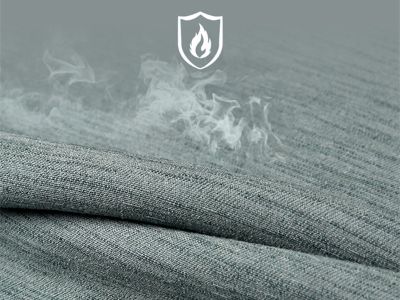
The Sustainability Story Behind Intrinsically Fire Retardant Recycle Fabric addresses the increasing demand for eco-friendly materials that do not compromise on safety. Intrinsically fire retardant recycled fabrics are designed to provide high-performance qualities while minimizing environmental impact. For B2B buyers, key concerns include the material's performance, compliance with safety standards, sourcing reliable suppliers, and understanding cost implications. This article will guide you through the essential aspects of intrinsically fire retardant curtain fabric, ensuring you make informed purchasing decisions.
Understanding the Benefits of Intrinsically Fire Retardant Recycle Fabric
Intrinsically fire retardant recycled fabric offers significant advantages for various applications, particularly in industries requiring stringent safety standards, such as construction, hospitality, and transportation. This type of fabric is manufactured using recycled polyester yarns, contributing to sustainability by reducing waste and energy consumption during production.
One of the primary benefits of intrinsically fire retardant fabrics is their inherent ability to resist ignition and prevent flames from spreading. This property is often achieved through the chemical structure of the fibers themselves, rather than relying solely on added treatments. This means that the fire retardant characteristics remain effective throughout the fabric's lifespan, even after multiple wash cycles, offering long-term safety.
Additionally, using recycled materials not only lessens environmental impact but can also lead to lower production costs. As industries increasingly prioritize sustainability, opting for intrinsically fire retardant recycled fabrics can enhance a company's green credentials, making them more attractive to eco-conscious consumers and clients.
How to Choose the Right Intrinsically Fire Retardant Fabric for Your Project
Selecting the appropriate intrinsically fire retardant fabric involves understanding your specific project requirements. Start by considering the intended application and the necessary compliance with safety standards. Different industries may have varying regulations regarding fire resistance, so it is crucial to confirm that the fire retardant curtain material meets relevant certifications, such as those set forth by ASTM, ISO, or your local regulatory body.
Next, evaluate the fabric's specifications, including weight, thickness, and weave. These factors can impact both the fabric's performance and its aesthetic qualities. For example, a heavier fabric may provide better durability and insulation, while a lighter-weight option may be more suitable for applications requiring flexibility and comfort.
Customization is another essential consideration. Many manufacturers, such as Qiansifang (Suzhou) Industry Co., Ltd., offer options for tailored fabrics, allowing you to specify colors, patterns, and finishes to meet your design needs. It's advisable to request samples to assess the fabric's performance under actual operating conditions before committing to a larger order.
Finding Reliable Suppliers for Fire Retardant Fabric
When sourcing intrinsically fire retardant recycled fabric, finding a reliable supplier is paramount. Start by verifying their certifications and compliance with industry standards. Look for suppliers with GRS (Global Recycle Standard) and ISO 9001 certifications, as these indicate a commitment to quality and sustainability.
Additionally, consider the supplier's manufacturing capabilities and production capacity. A reputable supplier will have a robust quality control process in place, ensuring consistent product performance. Requesting customer references or case studies can provide insight into their reliability and customer service.
Engaging in open communication with potential suppliers is also essential. Be clear about your project requirements, including technical specifications, lead times, and delivery logistics. A responsive and knowledgeable supplier will be able to address your concerns and offer valuable insights into material selection and application suitability.
Cost Factors to Consider When Purchasing Recycle Fire Retardant Fabric
The cost of intrinsically fire retardant recycled fabric can vary based on several factors. Key considerations include the type of fiber used, manufacturing processes, and customization options. Recycled materials may offer cost advantages, but pricing can be influenced by the market demand and the specific properties required for your application.
Minimum order quantities (MOQs) can also impact pricing. Some suppliers may require larger orders to justify production costs, which could affect your budget and inventory management. Be sure to discuss MOQs with potential suppliers and explore options for smaller sample orders if necessary. Moreover, consider shipping and handling costs, as these can significantly affect the total expenditure. Working with a supplier who has experience in your target markets, such as Europe, the USA, or Japan, can help streamline logistics and reduce costs.
Common Problems and Solutions with Fire Retardant Fabric Installation
Installing intrinsically fire retardant recycled fabric can present challenges that buyers should be aware of. One common issue is ensuring proper handling and storage prior to installation. Fire retardant fabrics may require specific conditions to maintain their properties, so it is crucial to follow the manufacturer's guidelines.
Another potential problem is the compatibility of the fabric with existing installation equipment or methods. For example, if the fabric is thicker or denser than anticipated, it may not work well with specific sewing machines or cutting tools. Conducting tests with samples can help identify any compatibility issues early in the process.
Additionally, buyers should pay attention to the installation environment. Factors such as humidity, temperature, and exposure to chemicals can affect the performance of the fabric. It's advisable to consult with your supplier to understand how these conditions may impact the integrity of the fire retardant properties.
In summary, intrinsically fire retardant recycled fabric combines safety with sustainability, making it an excellent choice for various applications. By understanding the benefits, choosing the right material, finding reliable suppliers, considering cost factors, and addressing potential installation issues, you can make informed decisions that align with your project's goals.
Table of Contents
- Understanding the Benefits of Intrinsically Fire Retardant Recycle Fabric
- How to Choose the Right Intrinsically Fire Retardant Fabric for Your Project
- Finding Reliable Suppliers for Fire Retardant Fabric
- Cost Factors to Consider When Purchasing Recycle Fire Retardant Fabric
- Common Problems and Solutions with Fire Retardant Fabric Installation