
 EN
EN
 AR
AR
 BG
BG
 HR
HR
 CS
CS
 DA
DA
 NL
NL
 FI
FI
 FR
FR
 DE
DE
 EL
EL
 IT
IT
 JA
JA
 KO
KO
 NO
NO
 PL
PL
 PT
PT
 RO
RO
 RU
RU
 ES
ES
 SV
SV
 IW
IW
 ID
ID
 SR
SR
 SK
SK
 UK
UK
 VI
VI
 HU
HU
 TH
TH
 TR
TR
 FA
FA
 MS
MS
 GA
GA
 IS
IS
 MK
MK
 HY
HY
 AZ
AZ
 LA
LA
 KK
KK
 SQ
SQ

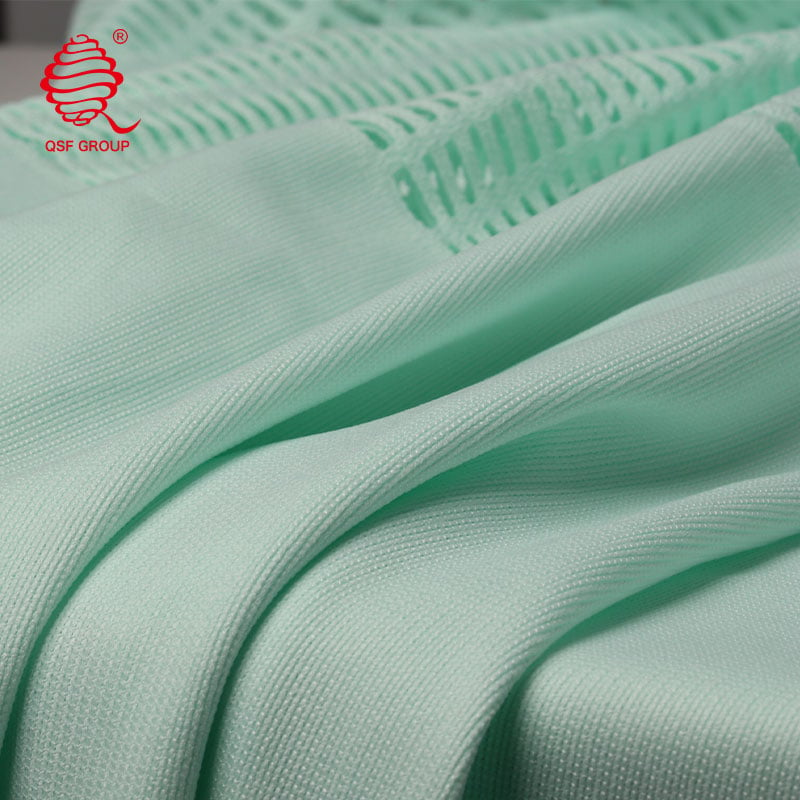
Antibacterial medical curtain fabric plays a vital role in healthcare settings, providing essential barriers against pathogens while enhancing the overall aesthetic of medical environments. When considering the hidden ROI of antibacterial medical curtain fabric, B2B buyers—such as purchasing managers, facility managers, and healthcare administrators—often focus on factors like durability, maintenance, and cost-effectiveness. This article will explore how to select the right fabric curtain material, essential buyer considerations, sourcing options, common challenges, and the various applications of these fabrics in healthcare settings.
How to Choose the Right Antibacterial Medical Curtain Fabric Wholesale?
Selecting the right antibacterial medical curtain fabric involves understanding the specific requirements of your healthcare environment. Key considerations include the fabric's antimicrobial properties, durability, ease of cleaning, and aesthetic appeal. Look for fabrics made from recycled and functional polyester yarns, as these not only provide durability but also align with sustainability goals, an increasingly important aspect in modern healthcare.
When evaluating fabrics, consider the following specifications:
Antimicrobial Efficacy: Confirm the fabric's ability to resist bacterial growth. Look for certifications or test results that validate the manufacturer's claims.
Weight and Thickness: Heavier fabrics often provide better durability and privacy but may be more challenging to clean. Ensure that the weight suits your installation method and usage.
Color Fastness: Fabrics should maintain their color even after multiple washes. This is critical in maintaining a professional appearance in healthcare environments.
Flame Retardancy: Ensure the fabric complies with local fire safety regulations. This is especially important in patient care areas.
Prior to placing a bulk order, request samples to evaluate the fabric’s performance in real-world conditions, ensuring it meets the specific needs of your healthcare facility.
What Buyers Need to Know?
B2B buyers should be aware of several critical factors when selecting antibacterial medical curtain fabrics:
Minimum Order Quantities (MOQ): Understand the supplier’s MOQ, which may vary based on the fabric type and customization options.
Lead Times: Ensure you inquire about production lead times, especially if you are working on a project with tight deadlines. Longer lead times may affect your overall project schedule.
Customization Options: Many suppliers offer customization in terms of color, size, and pattern. Discuss your specific requirements to ensure the fabric aligns with your brand or facility’s design goals.
Quality Control Processes: Inquire about the supplier's quality assurance protocols. A reliable supplier should have rigorous testing processes in place, including inspection during production and final quality checks.
Understanding these aspects will help buyers make informed decisions and avoid common pitfalls, such as receiving subpar materials or facing unexpected delays.
Where to Source Reliable Antibacterial Medical Curtain Fabrics for Projects?
When sourcing antibacterial medical curtain fabrics, consider the following avenues:
Established Manufacturers: Partner with suppliers like Qiansifang (Suzhou) Industry Co., Ltd., known for their specialized recycled and functional polyester yarns. Their certifications (such as GRS, ISO9001, and OEKO-TEX Standard 100) can provide additional assurance regarding product quality.
Trade Shows and Industry Events: Attending trade shows allows buyers to see products firsthand, meet manufacturers, and explore the latest innovations in medical curtain material
. This direct interaction can lead to better negotiation and understanding of product capabilities.
Online Marketplaces and B2B Platforms: Websites dedicated to B2B transactions often feature a variety of manufacturers and suppliers. Look for those with positive reviews and comprehensive product descriptions.
Local Suppliers: Consider local manufacturers for faster shipping and easier communication. This can be crucial for projects requiring quick turnaround times.
Building relationships with reliable suppliers is essential, as it can lead to better pricing, priority service, and more consistent quality over time.
Common Problems with Medical Curtain Fabrics and Their Solutions
Several challenges can arise when dealing with medical curtain fabrics, including:
Wear and Tear: Frequent washing can lead to fabric degradation. To mitigate this, select high-quality, durable fabrics designed for repeated cleaning and use.
Color Fading: Fabrics that fade quickly can detract from the professional appearance of a healthcare setting. Choose materials that have been tested for color fastness and are suitable for commercial laundering.
Bacterial Resistance Failure: Over time, some fabrics may lose their antibacterial properties. Regular testing and adhering to the manufacturer’s cleaning guidelines can help maintain efficacy.
Installation Issues: Improper installation can lead to gaps that allow pathogens to enter the patient zone. Ensure that installation teams are trained and experienced in handling medical curtain systems.
By addressing these common issues proactively, buyers can enhance the longevity and effectiveness of their medical curtain investments.
Applications of Antibacterial Medical Curtain Fabrics in Healthcare Settings
Antibacterial medical curtain fabrics are utilized in various healthcare applications, including:
Patient Rooms: Curtains provide privacy for patients while acting as a barrier against pathogens. Their antimicrobial properties help keep hospital environments safer.
Surgical Areas: In operating rooms, the use of antibacterial fabrics is crucial for maintaining sterile conditions. Properly selected and installed curtains can minimize risks during surgical procedures.
Waiting Areas: Curtains can enhance the comfort and appearance of waiting rooms while also contributing to infection control measures.
Isolation Units: In facilities treating infectious diseases, the use of robust antibacterial curtains is vital for isolating patients and protecting staff.
Understanding how these fabrics fit into the broader context of healthcare can help buyers appreciate their value beyond initial costs, highlighting the hidden ROI they offer in terms of patient safety and satisfaction.
By providing practical insights and considerations, this article aims to empower B2B buyers to make informed decisions regarding antibacterial medical curtain fabrics procurement, ultimately enhancing the quality of healthcare environments.
Table of Contents
- How to Choose the Right Antibacterial Medical Curtain Fabric Wholesale?
- What Buyers Need to Know?
- Where to Source Reliable Antibacterial Medical Curtain Fabrics for Projects?
- Common Problems with Medical Curtain Fabrics and Their Solutions
- Applications of Antibacterial Medical Curtain Fabrics in Healthcare Settings