
 EN
EN
 AR
AR
 BG
BG
 HR
HR
 CS
CS
 DA
DA
 NL
NL
 FI
FI
 FR
FR
 DE
DE
 EL
EL
 IT
IT
 JA
JA
 KO
KO
 NO
NO
 PL
PL
 PT
PT
 RO
RO
 RU
RU
 ES
ES
 SV
SV
 IW
IW
 ID
ID
 SR
SR
 SK
SK
 UK
UK
 VI
VI
 HU
HU
 TH
TH
 TR
TR
 FA
FA
 MS
MS
 GA
GA
 IS
IS
 MK
MK
 HY
HY
 AZ
AZ
 LA
LA
 KK
KK
 SQ
SQ

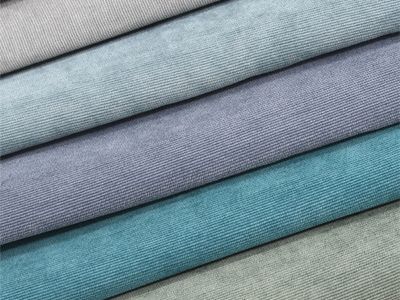
The engineering behind durable and safe IFR Chenille curtain fabric is crucial for various industrial and commercial applications, particularly in environments where fire safety is paramount. Buyers and purchasing managers often seek fabrics that not only meet safety standards but also offer durability and aesthetic appeal. This article will delve into essential considerations for selecting IFR Chenille curtain fabrics, including specifications, supplier reliability, common issues, and the advantages of using recycled polyester in the manufacturing process.
How to Choose the Right IFR Chenille Curtain Fabric for Your Project?
Selecting the right IFR Chenille curtain fabric involves understanding the specific requirements of your project. Start by identifying the intended application whether it’s for a commercial space, a theater, or a residential setting. Consider the fire safety standards applicable to your industry, such as NFPA (National Fire Protection Association) standards, as these will dictate the minimum requirements for flame retardancy.
Next, evaluate the fabric's weight and thickness. Heavier fabrics generally offer better sound absorption and insulation properties, which can be beneficial in environments where noise reduction is desired. Additionally, consider the fabric's color and texture. Chenille offers a soft, luxurious feel, making it suitable for high-end applications, but it should also align with the overall design aesthetic of the space.
Lastly, confirm customization options with the supplier. Factors such as size, pattern, and color can often be tailored to meet specific design needs. A reputable supplier will guide you through these choices, ensuring that you make informed decisions.
Key Specifications of High-Quality IFR Chenille Curtain Fabric
When evaluating IFR Chenille curtain fabric, several key specifications should be considered to ensure that the product meets your needs. These include:
Flame Retardancy: Fabrics should meet specific fire safety certifications, such as the ISO 9001 and OEKO-TEX Standard 100. These certifications confirm that the materials have been tested for harmful substances and flame resistance.
Weight and Density: The fabric's weight (measured in grams per square meter) directly affects its durability and performance. A denser fabric can withstand wear and tear better, making it ideal for high-traffic areas.
Colorfastness: This indicates how well the fabric maintains its color when exposed to light and washing. High-quality IFR chenille curtain fabric should exhibit excellent colorfastness to ensure longevity and aesthetic appeal.
Moisture and Stain Resistance: Fabrics treated for moisture and stain resistance are essential in maintaining cleanliness and appearance, particularly in commercial settings.
Width and Length Options: Custom widths and lengths may be necessary to fit specific applications. Ensure that
the supplier can accommodate your size requirements without compromising fabric integrity.
Understanding these specifications allows buyers to assess the quality and suitability of the fabric before making a purchase.
Where to Find Reliable Suppliers of IFR Chenille Curtain Fabric?
Finding reliable suppliers of IFR Chenille curtain fabric involves thorough research and evaluation. Start by seeking manufacturers with established reputations in the industry, such as Qiansifang (Suzhou) Industry Co., Ltd., known for its specialized production of recycled and functional polyester yarns.
Trade shows and industry exhibitions are excellent venues for meeting potential suppliers and evaluating their products firsthand. Look for companies that showcase their certifications and provide transparent information about their manufacturing processes.
Online platforms, such as B2B marketplaces and industry-specific directories, can also help you connect with various suppliers. When evaluating a supplier, consider their production capacity, lead times, and ability to handle custom orders. Request samples to assess fabric quality and performance before making a large commitment.
Lastly, check customer reviews and testimonials to gauge the supplier's reliability and service quality. A trustworthy supplier should have a track record of timely delivery and responsive customer service.
Common Issues with IFR Chenille Curtain Fabric and Their Solutions
When working with IFR Chenille curtain fabric, buyers may encounter several common issues that could affect project outcomes:
Inconsistent Quality: Variations in fabric quality can arise from batch production. To mitigate this, always request samples and perform quality checks before committing to a large order.
Color Discrepancies: Different dye lots may result in color variations. Ensure that you specify your color requirements clearly and confirm that your supplier can provide consistent dye lots.
Fabric Shrinkage: Chenille can shrink if not treated properly during manufacturing. Discuss pre-shrinking options with your supplier and ensure that they follow best practices in production.
Maintenance Challenges: While Chenille is generally durable, it may require specific cleaning methods to maintain its appearance and performance. Confirm care instructions with your supplier and communicate these to end-users.
By anticipating these potential issues and discussing them with your supplier, you can ensure a smoother procurement process and higher satisfaction with the final product.
The Advantages of Recycled Polyester in IFR Chenille Curtain Fabric
Using recycled polyester in IFR Chenille curtain fabric presents several advantages that appeal to environmentally conscious buyers and organizations looking to enhance their sustainability efforts:
Environmental Impact: Recycled polyester significantly reduces waste by repurposing plastic materials, contributing to a circular economy. This aligns with many companies’ sustainability goals and can enhance their brand image.
Performance Characteristics: Recycled polyester can exhibit properties similar to virgin polyester, including durability, moisture resistance, and color retention. Ensuring that the chenille curtain material meets rigorous quality standards is essential for maintaining performance levels.
Cost-Effectiveness: Utilizing recycled materials can often lower production costs, making it a financially attractive option for manufacturers and buyers alike.
Certification Compliance: Many recycled polyester products can still meet stringent safety and quality certifications, such as GRS (Global Recycled Standard) and OEKO-TEX, ensuring that they are safe for use in various applications.
By choosing IFR Chenille curtain fabric made from recycled polyester, buyers not only contribute to sustainability but also benefit from high-quality products that meet their performance needs.
Through careful selection and consideration of specifications, buyers can ensure they procure the right IFR Chenille curtain fabric for their projects, ultimately leading to successful implementations that prioritize safety and durability.
Table of Contents
- How to Choose the Right IFR Chenille Curtain Fabric for Your Project?
- Key Specifications of High-Quality IFR Chenille Curtain Fabric
- Where to Find Reliable Suppliers of IFR Chenille Curtain Fabric?
- Common Issues with IFR Chenille Curtain Fabric and Their Solutions
- The Advantages of Recycled Polyester in IFR Chenille Curtain Fabric