
 EN
 AR
 BG
 HR
 CS
 DA
 NL
 FI
 FR
 DE
 EL
 IT
 JA
 KO
 NO
 PL
 PT
 RO
 RU
 ES
 SV
 IW
 ID
 SR
 SK
 UK
 VI
 HU
 TH
 TR
 FA
 MS
 GA
 IS
 MK
 HY
 AZ
 LA
 KK
 SQ

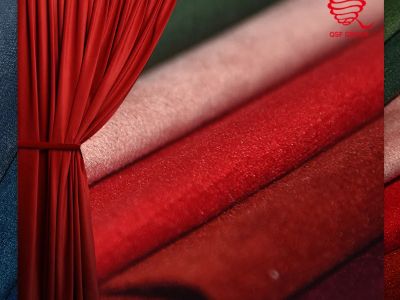
Passing BS 476 Class 1 Fire Proof Fabric Tests is crucial for companies involved in the manufacturing and supply of textile products used in construction and other industrial applications in the UK and EU. Understanding the specifications, cost implications, installation guidelines, and common issues associated with these fireproof fabrics can significantly impact purchasing decisions. This article aims to provide detailed insights into these areas, helping purchasing managers, engineers, and product managers make informed choices when sourcing fireproof fabrics that meet BS 476 Class 1 standards.
Understanding BS 476 Class 1 Fire Proof Fabric Specifications
BS 476 Class 1 is a British standard that assesses the fire performance of building materials. Fabrics that pass this test have a low rate of flame spread, making them suitable for use in environments where fire safety is paramount. The key specifications to consider include the fabric's composition, weight, thickness, and treatment processes. For instance, fabrics made from recycled and functional polyester yarns, like those produced by Qiansifang (Suzhou) Industry Co., Ltd., can provide excellent fire resistance when treated appropriately. The material structure must be designed to meet specific performance criteria, which may vary based on the intended application. Buyers should verify that the curtain fabrics are tested under conditions that closely mimic their actual use, as performance can differ significantly depending on environmental factors such as humidity and temperature.
Cost Factors to Consider When Sourcing Fire Proof Fabrics
When sourcing BS 476 Class 1 fireproof fabrics, several cost factors come into play. Firstly, the material type and its treatment processes significantly impact pricing. Fabrics that incorporate specialized coatings or treatments to enhance fire resistance may have higher initial costs but can offer greater long-term value through improved durability and safety. Additionally, purchasing volume plays a crucial role. Manufacturers like Qiansifang operate with a production capacity of 30,000 tons per year, which allows them to offer competitive pricing for bulk orders. However, buyers should also consider the minimum order quantities (MOQ) and whether they align with their project needs. Furthermore, shipping costs can vary based on destination and packaging requirements, so it’s wise to evaluate the total landed cost, including any tariffs or taxes applicable to imports.
Installation Guidelines for BS 476 Class 1 Fire Proof Fabrics
Installing BS 476 Class 1 fireproof fabrics requires careful attention to detail to ensure optimal performance. The installation process typically involves preparing the substrate, accurately measuring and cutting the fabric, and ensuring proper fastening techniques that comply with fire safety regulations.
Before installation, it's advisable to inspect the fabric and drapery for defects or inconsistencies. Any discrepancies could compromise the material's fire-resistant properties. When installing, ensure that seams and joints are adequately sealed to prevent any gaps that could allow flames to penetrate. Additionally, it's essential to follow the manufacturer’s guidelines regarding the application of adhesives or fasteners, as these can affect the fabric's fire performance.
Common Problems with Fire Proof Fabrics and Their Solutions
Despite their intended purpose, fireproof fabrics can encounter several common issues that buyers should be aware of. One frequent problem is the degradation of the fire-resistant properties due to improper storage or handling. Fabrics must be stored in a controlled environment to prevent exposure to moisture, which can lead to mold and deterioration. Another common issue is the fabric's compatibility with other materials used in construction. For example, some adhesives or coatings can diminish the fire-resistance of the fabric. Buyers should ensure that all components of a fireproof system are compatible and have been tested together. Lastly, buyers may encounter challenges with the curtains and fabrics performance in real-world applications. It is advisable to conduct field tests or pilot installations to assess how the fabric performs under actual operating conditions. This can help identify potential shortcomings before large-scale implementation.
Applications of BS 476 Class 1 Fire Proof Fabrics in Construction
BS 476 Class 1 fireproof fabrics find extensive applications in various construction settings, especially where fire safety is a legal requirement. Common uses include curtains, wall coverings, and upholstery in commercial buildings, theaters, hotels, and public spaces. The ability of these fabrics to resist flame spread makes them ideal for use in high-traffic areas where the risk of fire is elevated. Moreover, these fireproof fabrics are also utilized in protective clothing for workers in hazardous environments, providing an additional layer of safety. When selecting fabrics for specific applications, buyers should consider factors such as the expected load, exposure to environmental conditions, and the potential for wear and tear. In summary, understanding the specifications, cost factors, installation requirements, common issues, and applications of BS 476 Class 1 fireproof fabrics is vital for making informed purchasing decisions. By focusing on these critical areas, purchasing managers and engineers can ensure they select the right materials that meet regulatory standards while also providing the necessary performance for their specific applications.
Table of Contents
- Understanding BS 476 Class 1 Fire Proof Fabric Specifications
- Cost Factors to Consider When Sourcing Fire Proof Fabrics
- Installation Guidelines for BS 476 Class 1 Fire Proof Fabrics
- Common Problems with Fire Proof Fabrics and Their Solutions
- Applications of BS 476 Class 1 Fire Proof Fabrics in Construction