
 EN
 AR
 BG
 HR
 CS
 DA
 NL
 FI
 FR
 DE
 EL
 IT
 JA
 KO
 NO
 PL
 PT
 RO
 RU
 ES
 SV
 IW
 ID
 SR
 SK
 UK
 VI
 HU
 TH
 TR
 FA
 MS
 GA
 IS
 MK
 HY
 AZ
 LA
 KK
 SQ

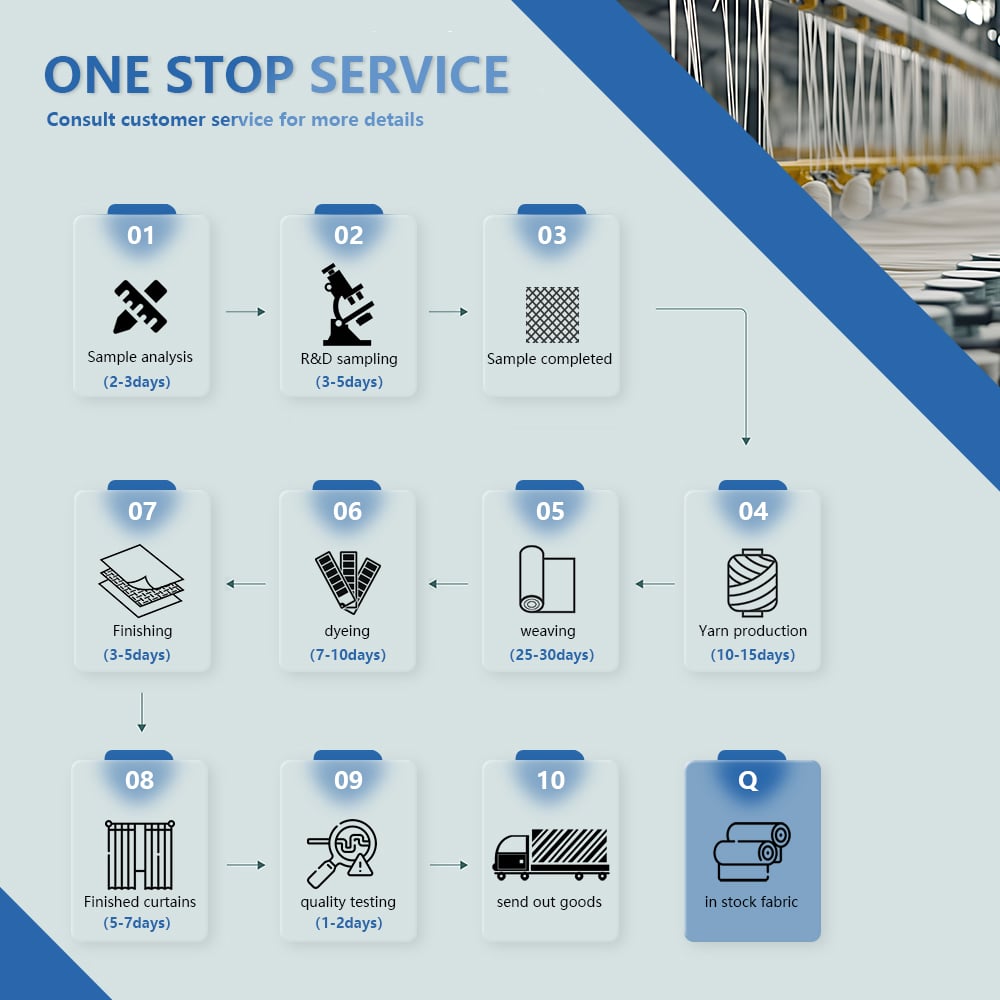
In the world of hospitality textiles, the choice of yarns can significantly influence safety, durability, and aesthetic appeal. This article explores how inherent flame retardant yarns outperform treated fibers, focusing on their unique qualities, production considerations, and application scenarios. Key buyer concerns include material performance, compliance with safety standards, and the potential for long-term cost efficiency. By the end of this article, readers will gain insights into selecting the right yarns for their hospitality projects.
Quality and Performance Insights
Inherent flame retardant yarns are designed to resist combustion without the need for chemical treatments. This built-in fire resistance can provide a distinct advantage over treated fibers, which may lose effectiveness over time or when exposed to washing or abrasion. When selecting yarns for hospitality textiles, buyers should focus on several key performance metrics:
Flame Resistance: Inherent hospital curtains maintain their fire-resistant properties throughout the product's lifespan. This characteristic is vital for compliance with safety regulations in hospitality environments.
Durability: The intrinsic properties of these yarns often contribute to enhanced durability. This means hospitality textiles can withstand heavy usage and frequent washing, making them suitable for high-traffic areas such as hotels and restaurants.
Aesthetic Versatility: Inherent flame retardant yarns can be produced in various colors and textures, allowing designers to maintain aesthetic standards without compromising safety.
By focusing on these quality factors, purchasing managers can ensure they choose products that meet both safety regulations and customer expectations.
Sourcing Inherent Flame Retardant Yarns Effectively
When sourcing inherent flame retardant yarns, it's essential to partner with a reputable manufacturer, such as Qiansifang (Suzhou) Industry Co., Ltd., known for its high-quality recycled and functional polyester yarns. Here are some considerations for effective sourcing:
Certifications: Ensure that the supplier holds relevant certifications, such as GRS, ISO9001, and OEKO-TEX Standard 100. These certifications indicate compliance with international quality and safety standards.
Production Capacity: Assess the manufacturer’s ability to meet your order quantities and timelines. Qiansifang has a production capacity of 30,000 tons per year, which can accommodate varying scales of orders.
Customization Options: Inquire about customization capabilities. Depending on the application, you may need specific colors, textures, or blends that align with your design vision.
Sample Approval Process: Before placing a large order, request samples to evaluate the yarn's performance and aesthetic appeal under real-world conditions. This step can help avoid potential issues during mass production.
By focusing on these factors, buyers can streamline their sourcing process and ensure they select high-quality yarns that meet their specific needs.
Common Problems with Treated Fibers in Hospitality Textiles Solutions
Treated fibers, while initially effective, present several challenges in hospitality applications. Common issues include:
Degradation Over Time: The flame-retardant chemicals applied to treated fibers can wash out or degrade due to environmental exposure, leading to a loss of fire resistance. This can pose significant safety risks in hospitality settings.
Limited Lifespan: Treated fibers often have a shorter lifespan compared to inherent fire retardant curtain fabric, necessitating more frequent replacements and increasing overall costs.
Environmental Concerns: Many chemical treatments can have negative environmental impacts, both in production and disposal. In contrast, inherent flame retardant yarns are often made from recycled materials, aligning with sustainability goals.
To mitigate these issues, buyers should consider the long-term implications of their material choices. Opting for inherent flame retardant yarns can lead to better compliance with safety regulations, reduced replacement costs, and a smaller environmental footprint.
Installation Guidance for Inherent Flame Retardant Yarns in Textiles
Proper installation is crucial in ensuring the performance of inherent flame retardant yarns in hospitality textiles. Here are key points to consider:
Compatibility with Fabrics: Ensure that the inherent flame retardant yarns are compatible with the base fabrics being used. This compatibility affects the overall performance, look, and feel of the final product.
Sewing Techniques: Use appropriate sewing techniques to prevent damage to the yarns during the construction process. For instance, using the right needle size can help avoid fraying or breaking the yarn during sewing.
Testing: After installation, it is advisable to conduct flammability testing in accordance with relevant safety standards. This step helps confirm that the finished textile product meets the required safety criteria.
By following these guidelines, manufacturers and installers can maximize the benefits of inherent flame retardant yarns and enhance the safety features of hospitality textiles.
Application Scenarios for Inherent Flame Retardant Yarns in Hospitality
Inherent flame retardant yarns are suitable for a variety of applications within the hospitality industry, including:
Upholstery: These yarns can be used in furniture upholstery, ensuring that high-traffic areas maintain safety standards without sacrificing style.
Curtains and Drapery: Inherent flame retardant yarns are ideal for curtains and drapes, where they can enhance safety while adding aesthetic appeal to hotel rooms and dining areas.
Bedding: The use of these yarns in bedding can provide peace of mind to both hotel operators and guests, ensuring that sleep environments are safe and comfortable.
Table Linens: In restaurants and banquet facilities, table linens made from inherent fire retardant curtain material can withstand spills and frequent washing while maintaining fire safety.
By integrating inherent flame retardant yarns into these applications, hospitality businesses can enhance their safety protocols, provide a better guest experience, and potentially lower insurance premiums.
Inherent flame retardant yarns stand out as a superior choice over treated fibers in hospitality textiles due to their built-in safety features, durability, and aesthetic versatility. By understanding the nuances of these materials, B2B buyers can make informed decisions that align with their safety and performance requirements.