 EN
EN
 AR
AR
 BG
BG
 HR
HR
 CS
CS
 DA
DA
 NL
NL
 FI
FI
 FR
FR
 DE
DE
 EL
EL
 IT
IT
 JA
JA
 KO
KO
 NO
NO
 PL
PL
 PT
PT
 RO
RO
 RU
RU
 ES
ES
 SV
SV
 IW
IW
 ID
ID
 SR
SR
 SK
SK
 UK
UK
 VI
VI
 HU
HU
 TH
TH
 TR
TR
 FA
FA
 MS
MS
 GA
GA
 IS
IS
 MK
MK
 HY
HY
 AZ
AZ
 LA
LA
 KK
KK
 SQ
SQ

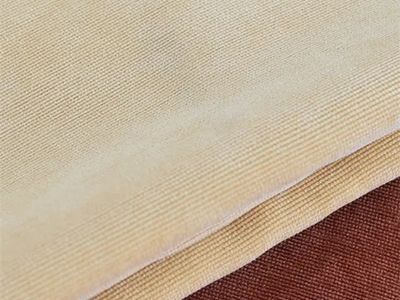
Inherent flame retardant yarns represent a significant advancement in textile manufacturing, eliminating the need for chemical treatments that can compromise fabric integrity and environmental safety. These specialized yarns are designed to self-extinguish when exposed to flames, making them ideal for applications in industries where fire safety is paramount, including automotive, aerospace, and protective clothing. This article aims to help purchasing managers, engineers, and product managers understand the key specifications, comparison factors, sourcing methods, cost considerations, and common challenges associated with inherent flame retardant yarns.
Key Specifications for Inherent Flame Retardant Yarns in B2B Sourcing
When sourcing inherent flame retardant yarns, several key specifications must be considered. First, the fiber composition is crucial; typically, these curtains and fabrics are made from polyester or other synthetic materials that are engineered to resist ignition. Buyers should verify the specific formulation of the yarn, as variations can significantly affect performance.
Next, consider the yarn denier, which indicates its thickness. A higher denier may provide greater durability but could affect draping qualities and flexibility. It's essential to balance strength with the desired fabric properties based on the end application.
Another critical specification is the fabric weight, typically measured in grams per square meter (gsm). Heavier fabrics may offer enhanced flame resistance and durability, making them suitable for industrial applications. Furthermore, the yarn's flame resistance rating, often tested according to industry standards (like ASTM or ISO), should be confirmed to ensure it meets specific safety requirements.
Lastly, inquire about the yarn's colorfastness and abrasion resistance, as these factors will impact the durability and aesthetic quality of the final product.
Comparing Inherent Flame Retardant Yarns for Bulk Purchase Decisions
When evaluating different suppliers of inherent flame retardant yarns, it's vital to conduct a thorough comparison based on several criteria. Start with the yarn's flame retardant properties, ensuring they conform to relevant safety standards. This is particularly important when sourcing for industries like construction or manufacturing, where compliance with regulations is non-negotiable.
Next, assess the production capabilities of suppliers. For instance, Qiansifang (Suzhou) Industry Co., Ltd. offers a production capacity of 30,000 tons per year, which can be a significant advantage for buyers looking for bulk orders. Larger capacity often correlates with better economies of scale, potentially reducing costs.
Quality assurance processes are another vital aspect. Suppliers should provide details on their quality control measures, including testing protocols and certifications such as ISO9001 and OEKO-TEX Standard 100. This ensures that the curtain fabrics not only meet performance expectations but also contribute to overall fabric safety and sustainability.
Buyers should also consider customization options. Some suppliers, including Qiansifang, offer tailored solutions to meet specific project requirements, which can be a valuable asset for unique applications.
Where to Source Reliable Inherent Flame Retardant Yarn Suppliers?
Sourcing reliable suppliers of inherent flame retardant yarns involves researching manufacturers with proven expertise in textile production. Key factors to consider include certifications, manufacturing experience, and reputation in the industry.
Regions known for textile manufacturing, such as China, offer a plethora of options. For example, Qiansifang (Suzhou) Industry Co., Ltd. is recognized for its high-quality recycled and functional polyester curtain material, making it a viable option for businesses seeking sustainable solutions.
Trade shows and industry exhibitions can also serve as excellent platforms for discovering reputable suppliers. Attending these events allows buyers to evaluate product samples firsthand and engage in direct discussions about customization and production capabilities.
Finally, leveraging online B2B marketplaces and forums can provide insights into supplier reliability through user reviews and ratings. This can help buyers make informed decisions based on real-world experiences from other businesses.
Cost Factors to Consider When Choosing Flame Retardant Yarns
Cost is a critical consideration in selecting inherent flame retardant yarns, influenced by several factors. The raw material cost significantly impacts pricing; yarns made from high-performance fibers may come at a premium compared to standard polyester. Buyers should evaluate the long-term benefits of investing in higher-quality materials against immediate cost savings.
Production volume also plays a role. Bulk purchases often yield lower per-unit costs due to economies of scale. In contrast, smaller orders may incur higher prices, making it essential to assess project requirements carefully.
Additionally, customization requests such as specific colors, blends, or finishes can increase costs. Buyers should weigh these factors against their project's budget constraints and performance requirements.
Finally, consider logistical costs, including shipping and handling, especially for international suppliers. Understanding the total cost of ownership, including potential delays and additional fees, can aid in making a more informed purchasing decision.
Common Challenges with Flame Retardant Yarns and Effective Solutions
While inherent flame retardant yarns offer significant advantages, several challenges can arise during sourcing and application. One common issue is the variability in flame resistance performance. Buyers should ensure that the yarn meets specific industry standards and conduct thorough testing of samples before mass production. This can help identify any potential inconsistencies in performance.
Another challenge is compatibility with existing manufacturing equipment. For example, the denier or twist of the yarn may affect the weaving or knitting process, leading to production delays or fabric defects. It is advisable to discuss these technical aspects with suppliers to ensure compatibility and optimal performance.
Sustainability concerns are also prevalent. Buyers should verify that the yarns are produced sustainably and comply with environmental regulations. Certifications such as GRS (Global Recycled Standard) and OEKO-TEX can provide reassurance regarding the sustainability of the materials used.
Finally, maintenance and care instructions for fabrics made from inherent flame retardant yarns should be clearly communicated to end-users. Providing adequate information on proper washing and handling can help maintain the yarn's performance characteristics over time, reducing the likelihood of premature degradation.
By addressing these challenges proactively and maintaining clear communication with suppliers, buyers can ensure successful integration of inherent flame retardant yarns into their products.
Table of Contents
- Key Specifications for Inherent Flame Retardant Yarns in B2B Sourcing
- Comparing Inherent Flame Retardant Yarns for Bulk Purchase Decisions
- Where to Source Reliable Inherent Flame Retardant Yarn Suppliers?
- Cost Factors to Consider When Choosing Flame Retardant Yarns
- Common Challenges with Flame Retardant Yarns and Effective Solutions